May 31, 2021
To Buy or to Alter, That is the Question
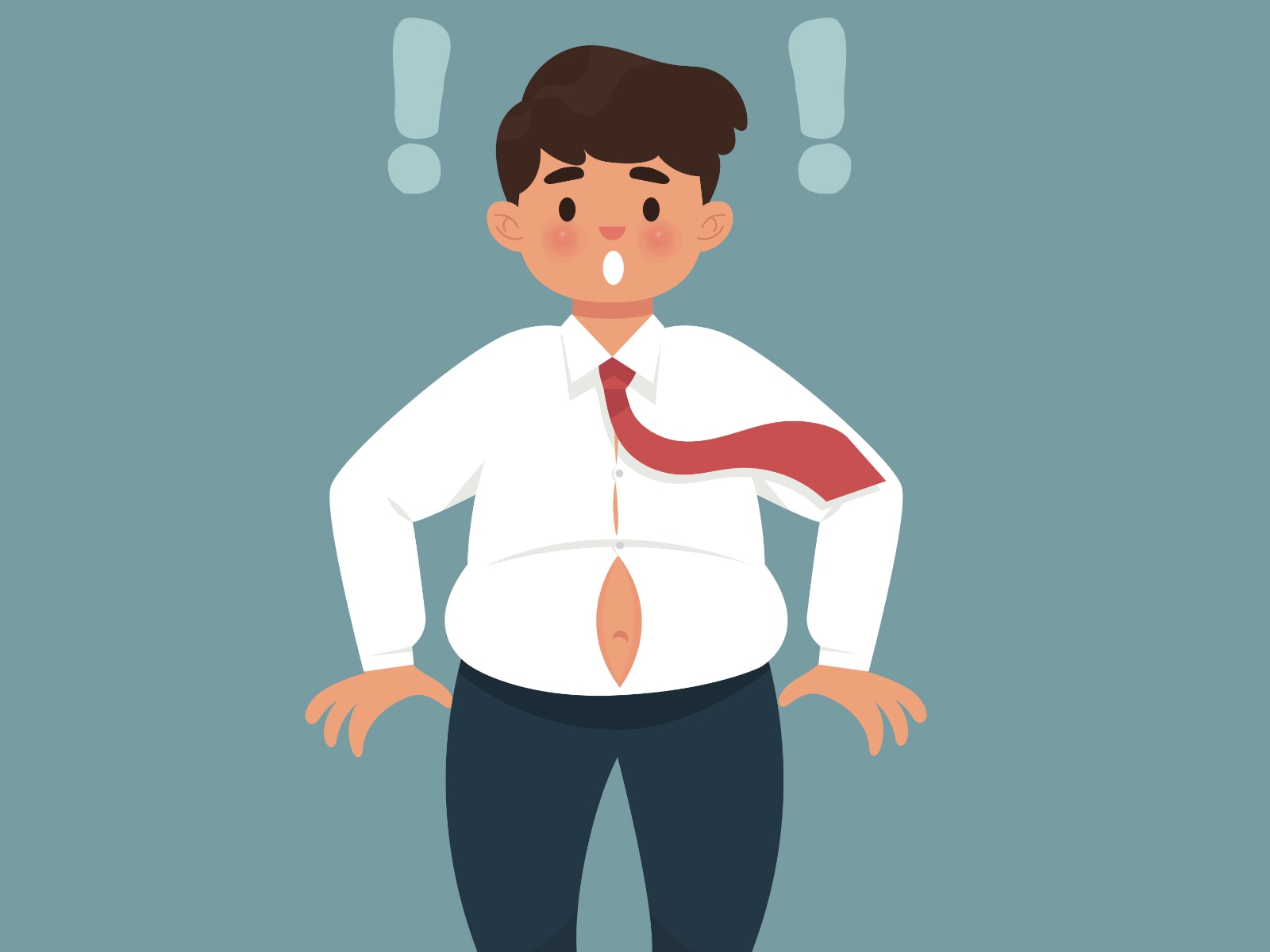
If your body size has changed, check out our handy guide to learn about which alterations you can make to your existing office-appropriate apparel before rushing out to buy a new wardrobe!
As exciting as it is to see the world opening back up after a long COVID battle, heading back to the office means getting back into your office clothes. For many of us, that might mean getting a very differently shaped body into those clothes then before the pandemic started. Some of us may have packed on a few extra pounds, while others may have used the extra time at home to get into better shape.
Whatever category you fit into, your dress shirts, dress pants, blazers and other tailored clothing may no longer fit quite the way they used to. Does that mean you have to rush out and buy a whole new work wardrobe? How do you know if what you already own still fits well enough?
Have a look at our handy guide to help you decide what to look for when determining if your work clothes are now too tight or too loose, and - before you run out and buy anything new - learn about which alterations are worth doing to your existing wardrobe to get most out of them.
Blazers
Alter
If you fall into the group of men that have put on a bit of a gut, but the rest of your body is about the same as pre-pandemic, then you're in luck. Blazers can generally be let out as much as 2 inches around the gut region. Tailors can open up the center and side seams in the back and let out the jacket to still fit.
This same trick can be used if you were able to get into shape and find that you've lost 2 inches to 4 inches in the waistline. As long as you have not lost a lot of mass in the shoulders, you can ask a tailor to taper in the body and sleeves rather than replacing your blazers.
Replace
If you've packed on a bit more than two inches in the waist, or find that your arms are too constrained in the sleeves of your blazer, then it's time to size up. Consider buying fabrics that offer ample stretch and opt for darker and solid colours. This is strategic because darker colours are going to be slimming, while solid colours have two other clear advantages - they are more versatile, meaning you do not need as many blazers, and they will ultimately be easier to take in when you eventually shed the added pounds.
For the guys that have lost a lot of weight, it's highly possible that you've lost quite a bit of mass around the shoulders. If that?s the case, you?re better off selling or donating your blazers and starting fresh. Altering the shoulders of a blazer requires tremendous skills from the tailor and comes with a very high price tag. Trying to skimp on the cost might actually result in ruining the jacket altogether. Consider this analogy - altering the shoulder of a blazer is equivalent to reconstructive surgery to the human body. Avoid it unless you have a good reason to not part with a special blazer.
Dress Pants
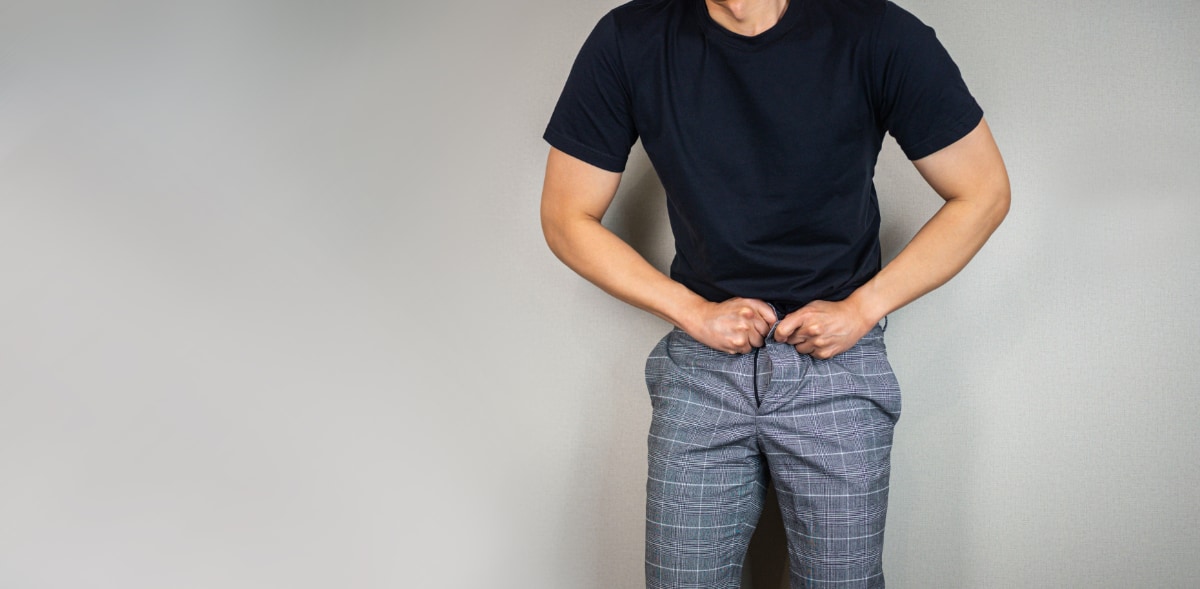
Don't worry, we've all been here ...
Alter
If you have put on an extra inch around the waist, but you don't see any substantial changes to your legs, you can visit your local tailor and ask them to let out the waist of your pants. Most brands build in a 'seam allowance' into their pants, giving you at least 1 inch to let the pants out. This is strategic because dress pant sizes typically go up by two inches, but the brands hope to sell to men that fall in between the standard sizes as well. This extra fabric is hidden under the waistband so feel free to open them up yourself if you know what you're doing, or simply ask the tailor if this is a possibility.
Tip: When letting pants out, be sure to not to release them to its absolute max! When you sit down, you are relying on the pants to be able to stress the seams. If there is no fabric at the other end of the seam, you're more likely to split the seat of the pants (almost guaranteed at the most embarrassing times!)
If you're on the opposite side of the spectrum and have lost weight, then you're going to want to figure out how much fabric needs to be removed when you put on your dress pants. If that number is anywhere up to 2 inches, then you should be able to alter them. There are two additional alterations to consider beyond taking in the waist: taking in the seat, and tapering the legs. Taking in the seat is crucial because taking in the waist alone will result in extra fabric that gathers and it is not flattering. Taking in the thighs is important as well so your legs are not lost in the pants. If these are wide cut dress pants to start with, then you can skip taking in the legs.
Replace
You're going to want to replace your dress pants if there isn't enough seam allowance in the waistband and thighs of the pants. In the case where your thighs are uncomfortable in your pants, it's time to ditch them and start shopping.
For the guys that have lost 20 or more pounds, this usually means an entirely new wardrobe. Losing 3 or more inches in the waist means taking in the waistband by at least three inches. When this happens, the back pockets of the pants will meet because dress pants are not designed to be taken in to this extent. The resulting 'butt unibrow' is not a good look!
Tip: When you're shopping for new pants, be sure to make the most of the opportunity! This time around, you are building a wardrobe based off of what you liked and disliked from your previous pants. Find materials that breathe better and are more flattering to your body distribution. For example, if you have lots of low rise dress pants and your legs are short, it's likely that you?ve already learned from experience that the higher rise pants in your closet make your legs look longer and you automatically look taller. If this describes your stature, use this to your advantage and build a wardrobe of only higher rise pants!
Dress Shirts
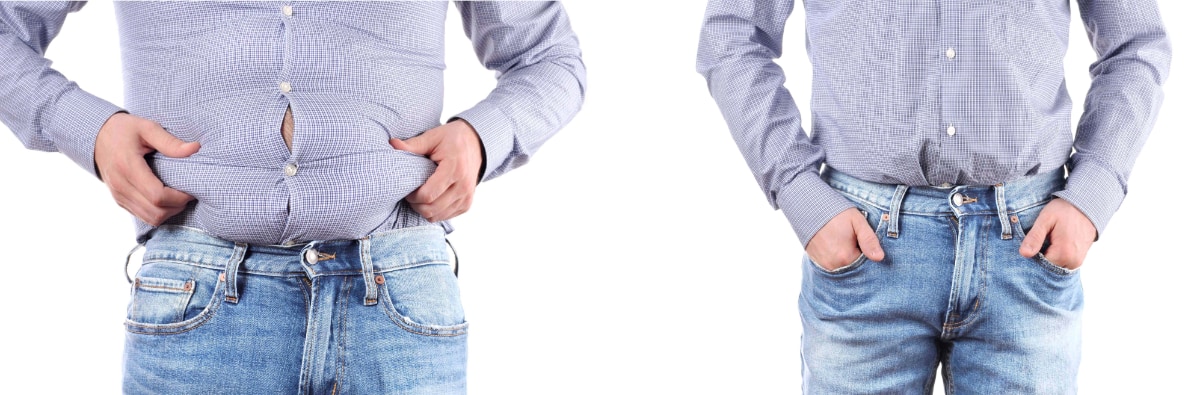
Example of a dress shirt that's too tight (left) and too loose (right).
Alter
Dress shirts are the easiest category to shop for, so many guys choose to replace them whether they have lost or gained weight. A new and fun shirt can spruce up a boring navy suit, and many guys frequently replace their shirts anyway, as most guys like to keep their shirt rotation looking fresh.
However, one alteration that goes a long way is adding darts to an undarted shirt. If your dress shirt does not have darts in the back (seams in the back of the shirt that make it slimmer), then adding darts costs under $30 and the benefit is a more flattering shirt, if you want a more fitted look. If darting is the only alteration you need, we would suggest that you go for it. If your shirts need reconstructive surgery, then replace them!
Replace
There are little telltale signs that you might need to replace your dress shirts. For the guys that have put on some weight, if the buttonholes at the chest and stomach are being stressed, it's absolutely time to replace. If you find chest hair protruding out of the buttonholes of the shirt, it's another sign that it?s time to size up.
For guys that have lost a lot of weight, if your shirt looks like you borrowed someone else's clothes, then there's too much work to be done to make the alterations worth it. We suggest finding the right resale channels to help subsidize your new wardrobe investment, or donate the shirts to someone else in need and start shopping.
Outerwear
Alter
Outerwear is arguably the last thing you should be looking at for alterations because depending on where you live, it's rarely pressing to get these ready for work right away. Give your body a chance to stabilize the weight gain/loss and leave the coat alterations until you need to use a coat. For spring and summer, creatively layer using sports jackets and save outerwear alterations until the temperature drops.
When that time comes, the only outerwear that can be altered are overcoats. Jackets cannot be altered. To let out a coat, the darts can be released as much as 1 inch. There is always less seam allowance in coats because of the thicker fabrics. You can also get an additional half-an-inch by shifting the buttons half-an-inch out, although this is not always recommended, because the coat does not always sit right after this shift. It is, however, a relatively fast and cheap alternative to replacing a coat.
If you have to take in a coat, then use the same guidelines we've provided earlier in this article for blazers. Coats can be taken in at the waist, sides, and sleeves. Make sure that when you are doing your fitting for the coat alterations, you are wearing the thickest layers from your closet. You should make sure to wear a blazer and/or sweater underneath the coat, to ensure that these articles of clothing fit comfortably under the coat when it's being fitted.
Replace
If you own a jacket, whether you have gained or lost weight, if it's no longer fitting correctly, you will have to replace it. An ill-fitting outerwear piece is going to be our first impression at meetings, so it's especially important to make sure that it's the right size. Your clothing says a lot about you, even if that's not exactly fair. On the plus side, you don't need a lot of coats and jackets. As you build your wardrobe, consider investing in one staple coat and two jackets (one that dresses up and one that you would wear casually). If you think about all the things that are essential in your wardrobe, an abundance of outerwear is definitely a luxury rather than a necessity.
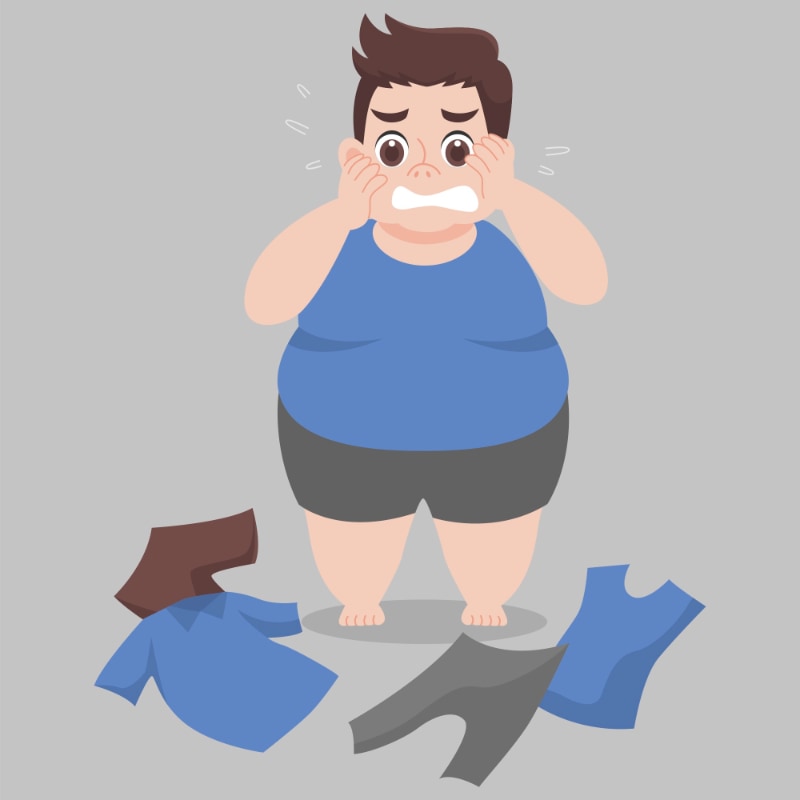
Deciding whether to buy new or alter your existing clothes doesn't have to be stressful!
So there you have it - some tips to help you weigh your wardrobe options, and get the most out of what you own, regardless of how your body may have changed in the last year.
Still thinking about buying some new pieces? Check out what Gotengo has to offer!
Check out the latest Blazers on Gotengo Menswear
Check out the latest Dress Pants on Gotengo Menswear

Copyright © 2026, What If Machines, Inc. Gotengo® is a registered trademark of What If Machines, Inc. All rights reserved. Privacy Policy | Terms and Conditions |  Your Privacy Choices